Sourcing planning
China Sourcing Quantity Breaks: How to Compare Supplier Prices
Learn how to request and compare China supplier prices at several quantity levels while keeping product, variation, packaging and price-basis…
Sourcing planning
Use this China production readiness checklist to confirm the active product version, materials, quantity split, packaging and open decisions before production planning.
“Ready for production” should describe a defined product and a clear next step, not a vague confidence level. Before production planning begins, make the active version, required materials, variation quantities, packaging assumptions and remaining decisions visible. This helps a buyer distinguish a confirmed instruction from an idea that still needs review.
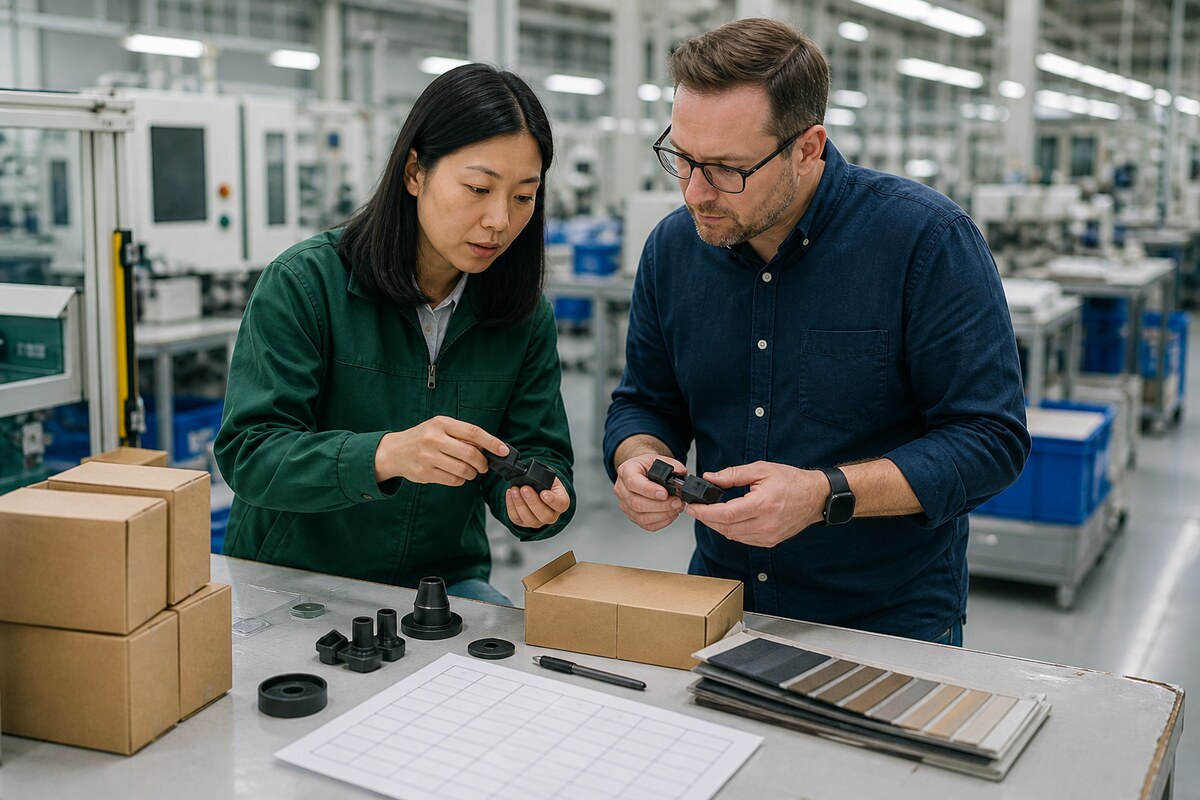
First, state what “production readiness” means for this project. You may be preparing a product definition for review, confirming whether a sample revision is the active version, aligning materials and packaging assumptions or identifying what still blocks a production discussion. Do not use the label as a substitute for the underlying decision.
Keep a short scope statement with the product reference, the intended quantity and the next action. If important details remain open, mark them clearly. It is better to show that a material, artwork, component or packaging question needs an answer than to send an incomplete instruction that looks final.
Use one current product record for the selected model, dimensions, material, finish, components, accessories and construction details that matter. Link it to the latest reviewed sample, photo set or drawing. Similar product links and earlier sample messages should remain as references, not compete with the version being discussed.
If the buyer accepts alternatives, define the boundary. For example, an equivalent neutral color may be acceptable while a different material or component is not. Without that distinction, an earlier supplier option may be treated as part of the order even though it was only a proposal for review.
List the materials, components and included items that are part of the selected version. For each point, record whether it is buyer-confirmed, supplier-proposed or still unknown. A material, accessory or construction change can affect product appearance, price direction, packaging, timing and any evidence questions that relate to the product.
Keep packaging in the same record. State whether the project uses an existing product package, plain protective packaging, a proposed retail package or an unresolved option. Retail artwork, labels, inserts and carton configuration should not be assumed from a marketplace listing or an old sample unless they have been reviewed for the active version.
Record the quantity for each color, size, bundle, design or configuration. A total quantity can conceal a very different plan when it is divided over several variations. If the split is provisional, label it as such and show what decision is needed before it becomes an instruction.
Keep target price direction and price basis alongside the quantity plan, but do not treat either as a confirmed supplier offer. The purpose is to keep the commercial context visible while the product is being defined. Price, availability and lead-time information still need review against the selected configuration and quantities.
State the buyer’s desired timing, the relevant destination or next handover point and any sample, inspection or packaging milestone that affects planning. Keep dates labelled as requested, estimated or confirmed by the responsible party. A general “ready date” is not enough if the product, packaging or shipping handover assumptions are still open.
Do not turn a planning conversation into a freight or delivery commitment. Before goods move, the relevant collection point, carton information, readiness evidence and handover responsibilities need their own review. Production planning and shipping arrangements are connected, but they are not the same decision.
A concise decision log should show what is confirmed, who confirmed it, when it changed and what evidence or note supports the current version. Add open actions with an owner, such as approve a sample revision, clarify a material, review packaging or confirm a variation split. This preserves the context when several messages and files are involved.
In a sourcing request, include the product link, active version notes, quantities, target price direction, destination and any sample, packaging or inspection context. China Sourcing Team supports product projects from US$1,000, subject to scope review. A production-readiness brief is not a manufacturing authorization, final quote, inspection result or purchase order.
Use the China sourcing request form for one item, review the completed sourcing brief example, or read about the guided Chrome helper for a multi-product project. Sourcing support starts from US$1,000 and is subject to scope review.