Packaging and shipping
China Export Packing List: A Buyer’s Review Checklist
Review an export packing list against products, cartons, quantities, weights, dimensions, shipping marks and the commercial invoice before dispatch…
Packaging and shipping
Compare LCL and FCL for China shipments using confirmed cargo dimensions, total quoted charges, handling, schedules, delivery needs and destination constraints.
LCL (less-than-container load) and FCL (full-container load) describe different ways to book ocean cargo space. LCL combines your shipment with other cargo; FCL reserves a container for one shipper, even when it is not filled to capacity. The cheaper-looking option is not always the lower landed cost: cargo dimensions, origin and destination charges, handling, schedule and delivery plan all matter. This buyer guide gives you a practical way to compare real quotes for goods sourced in China without treating any volume threshold as universal.
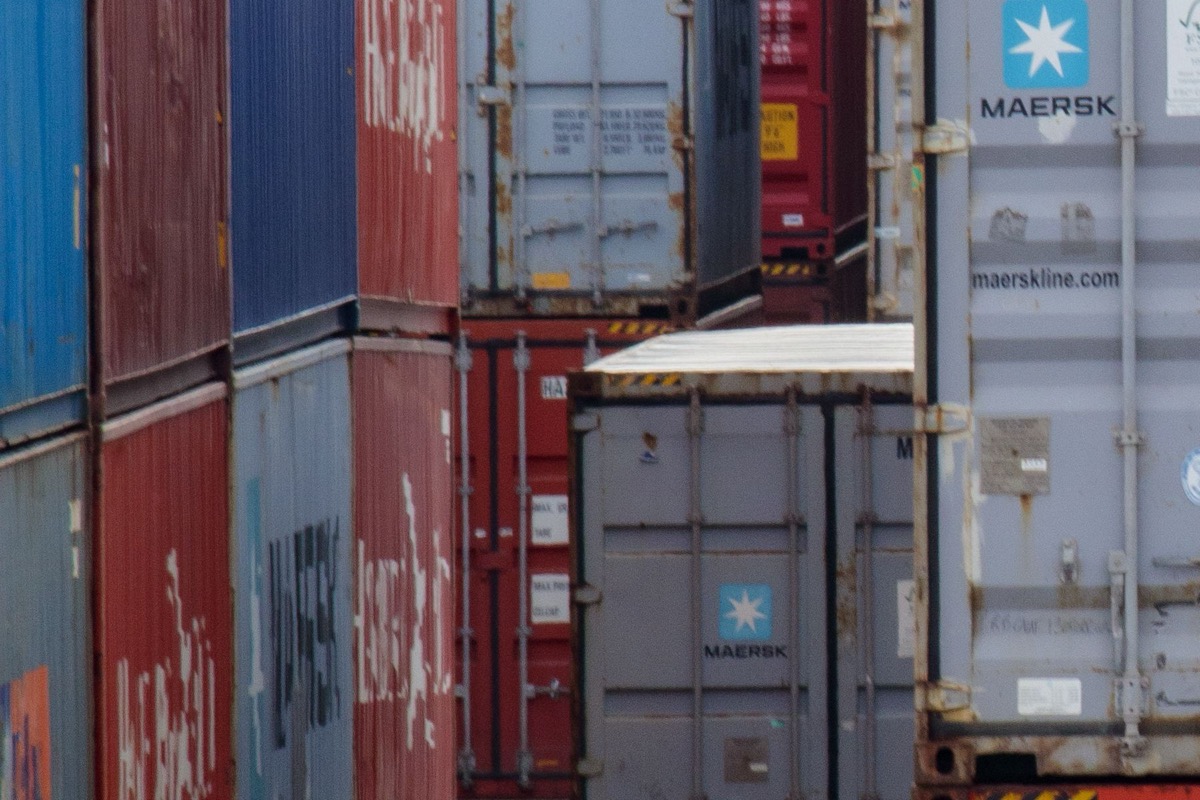
With LCL, a logistics provider consolidates cargo from multiple shippers into one container and separates it again for delivery. You normally pay for a measured share of space, with the rating method, minimum charge and any weight or handling rules set by the provider. With FCL, one shipper books the container capacity for that movement. The container does not have to be physically full for the booking to be FCL. Ask the forwarder to confirm whether the service quoted is port-to-port, door-to-door or another defined route.
Before comparing services, prepare the confirmed carton count, outer dimensions, gross weight, stackability, cargo description, pickup point and destination. Use measured or supplier-verified data for your carton dimensions and CBM, and label estimates as provisional. A small error in dimensions or packing configuration can change a volume-based quote, so ask when and by whom final cargo measurements will be checked.
If you buy from several suppliers, products may first need to move to a nominated warehouse or consolidation point in China. That domestic collection and coordination is a separate operational step from the international LCL or FCL booking. Confirm who receives each supplier shipment, how cartons are identified, whether quantities and damage are checked, when cargo is considered ready, and which party authorizes export dispatch. Do not assume that an ocean-freight quote includes supplier collections or warehouse services.
A China sourcing consolidation guide can help you map supplier-to-warehouse movements before asking for ocean rates. Keep each supplier, SKU, carton count and readiness date distinct, then confirm the forwarder’s accepted handover point. Consolidating several purchases may reduce fragmented destination deliveries, but the final freight method still depends on the combined cargo, route, rate structure and service schedule.
Request a written, itemized quote with the route, service type, currency, quote validity, chargeable measurement basis and named origin and destination points. Ask which origin handling, documentation, consolidation, deconsolidation, terminal, delivery and customs-related services are included, excluded or billed by another party. A low ocean-freight line can be outweighed by minimum charges, local fees, delivery or handling. Charges and terminology vary between routes and providers; the forwarder should define each line rather than relying on a broad “all-in” label.
Ask for an equivalent comparison: same cargo details, origin, destination, delivery address, service level and quote date. Make clear whether the quote assumes pickup at a factory, delivery to a warehouse or port handover. Incoterms such as EXW, FOB and DDP allocate specified responsibilities differently; they are not a substitute for reading the actual quote, named place and agreed contract. Confirm what the supplier’s quoted term covers and which logistics costs remain yours.
LCL can suit a smaller shipment when shared-container handling, the available sailing and destination process match your priorities. FCL can make sense for a larger shipment or when container-level planning, fewer consolidation steps or a particular loading arrangement is important. Neither label alone guarantees a transit time, cargo condition, customs outcome or final cost. Fragile, high-value, regulated, oversized or temperature-sensitive cargo may require packaging, segregation, equipment, documentation or handling that changes the available service.
Send the forwarder a precise cargo description and disclose restrictions before booking. State whether cartons can be stacked, whether pallets are used, if any goods are dangerous or controlled, and whether cargo must stay upright, dry or within a temperature range. Get specialist confirmation for regulated cargo and destination-specific documents. Do not assume a marketplace listing or supplier’s short product name provides enough information to classify cargo or determine a freight service.
Ask for the cargo-ready deadline, warehouse or terminal cutoff, planned sailing, estimated transit range, transshipment or consolidation points, destination release steps and expected delivery window. LCL may need time for consolidation and deconsolidation; FCL still depends on equipment availability, booking, port operations, routing and final delivery. Treat an estimate as an estimate, and ask what event starts the transit-time clock. Confirm who will provide updates if a cutoff or sailing changes.
Record the agreed origin and destination responsibilities in a shipping handover checklist. Name who books, who supplies final weights and dimensions, who prepares or reviews documents, who receives arrival notices and who authorizes any extra charge. Clarify demurrage, detention, storage or re-delivery exposure with the relevant provider and ask how free-time conditions are calculated for that booking.
Start by asking the same forwarder for comparable LCL and FCL options when both are operationally available. Compare the total quoted cost for the same destination and delivery scope, the service schedule, the handling points, the loading plan, the risk controls and the level of certainty in your cargo data. If FCL is unavailable or unsuitable, ask whether the LCL service has minimum chargeable volume, consolidation cutoffs or special cargo limits. If your shipment may grow, request a second scenario rather than assuming an online threshold decides the break-even point.
A short decision record should capture the cargo version and dimensions used, the quote date and validity, all known local charges, the expected delivery scope, exclusions, schedule assumptions and the reason you selected the option. Revisit the comparison when quantities, carton sizes, supplier locations or destination plans change. The booked method should follow the confirmed shipment—not a generic CBM rule copied from a different route.
A practical request to a forwarder can say: “Please quote both LCL and FCL if available for the attached final packing data. Cargo is [description], [carton/pallet count], [dimensions and units], [gross weight], ready at [named pickup point] on [date]. Destination is [named address or port]. Please state the service scope, chargeable basis, itemized origin and destination costs, exclusions, cutoff, estimated schedule, cargo restrictions and quote validity.” Replace each bracket with confirmed information and clearly label any provisional figure.
If the cargo data or China handover plan is still unresolved, list the specific questions rather than presenting a guessed freight budget as final. Add product, supplier locations, order quantities, destination and timing to a China Sourcing Team sourcing request if you want the requirement reviewed; sourcing support starts from US$1,000 and the scope is agreed after review.
Service-specific information checked on 2026-09-23. Confirm the terms for your shipment with the selected provider.
Use the China sourcing request form for one item, review the completed sourcing brief example, or read about the guided Chrome helper for a multi-product project. Sourcing support starts from US$1,000 and is subject to scope review.