Packaging and shipping
China LCL vs FCL Shipping: How Buyers Should Compare Options
Compare LCL and FCL for China shipments using confirmed cargo dimensions, total quoted charges, handling, schedules, delivery needs and destination…
Product packaging
Use this China sourcing packaging checklist to define product protection, retail packaging, carton configuration and labeling questions before comparing supplier offers.
Packaging is part of the product scope. A product can look comparable in a listing or quotation while the protection, retail presentation, carton configuration and labeling assumptions are different. This guide helps buyers put the right packaging questions into a sourcing brief.

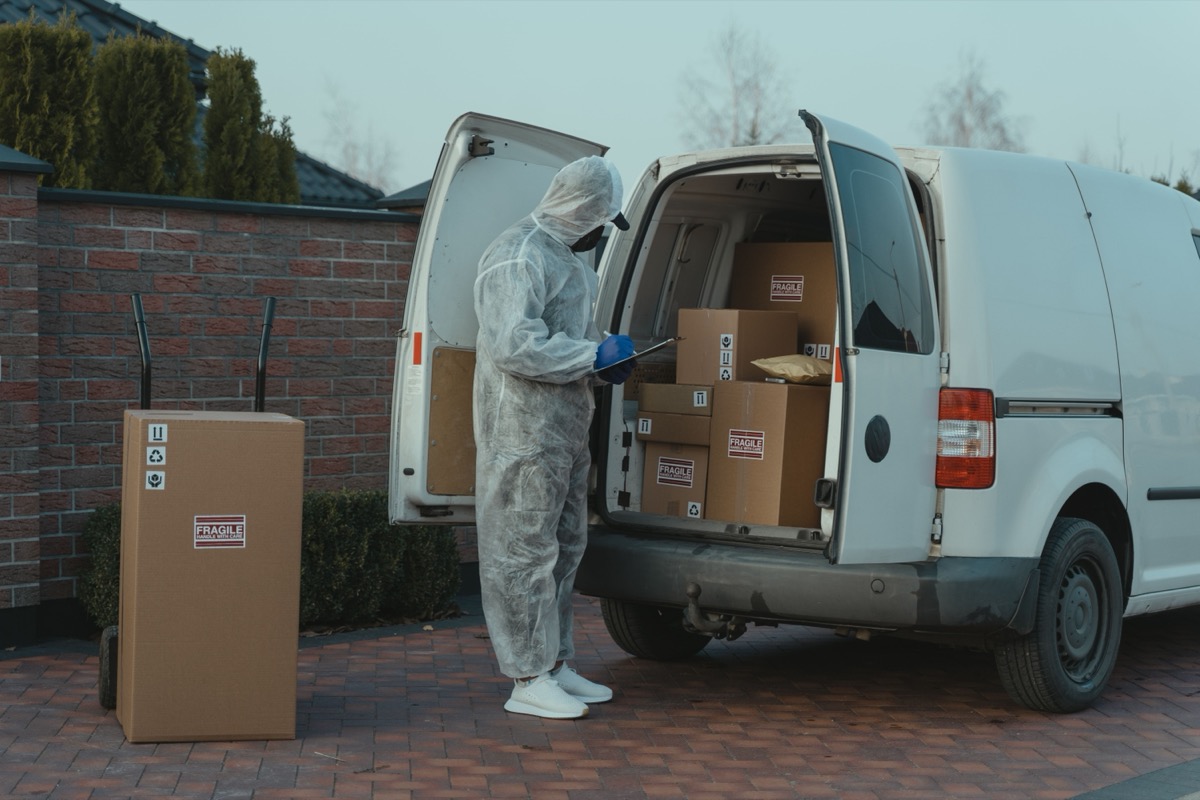
Use separate lines for the product’s immediate protection, any retail-facing package, the inner pack and the master carton. These are different jobs. A product may need a sleeve or protective bag around the item, a printed retail box for the end customer and a larger export carton to hold multiple units.
A supplier offer that says “standard packing” does not tell you which level is included. Describe the intended product presentation and the protection you expect, then mark any part that is still undecided. This prevents a retail box image from being mistaken for the complete shipping arrangement.
Start with the product features that need protecting: fragile edges, a surface that can scratch, loose components, a lid that can open, moisture sensitivity, a finish that can rub or a shape that moves inside the carton. Then describe the expected outcome, such as keeping components separated or preventing direct contact between finished surfaces.
Do not assume a particular protective material is automatically suitable for every destination, product or buyer policy. If a material, recycled-content target, plastic restriction or disposal requirement matters to your business, state it as a requirement to be checked rather than treating a general packaging description as compliance confirmation.
For a meaningful freight or handling discussion, record the planned units per carton, whether mixed variants are allowed, estimated or confirmed carton dimensions, gross and net weight when available, and whether pallets are expected. These facts affect handling, storage, freight planning and the way quantities are counted at handover.
If the product has several sizes, colors or sets, say whether every carton must contain one variation or whether a controlled mix is acceptable. A low unit price can be connected to a carton configuration that does not suit your warehouse, retail channel or replenishment plan.
Separate shipping marks, product labels, retail artwork, barcodes, warning statements and destination-specific information. Give each item an owner and version: buyer-provided, supplier-proposed or still to be confirmed. A product page photo or a previous carton is a reference, not proof that the current files, placement or wording are approved for your project.
Where a label or regulatory statement may be required for a destination, obtain the appropriate confirmation from the responsible adviser, importer or authority. Put the resulting approved requirement into the brief; do not ask a factory to infer legal or marketplace obligations from a country name alone.
Ask for packaging photos, a packaging sample or a documented checklist when it is important to the purchase. Compare the result to the approved product version, packing configuration and artwork version. If an inspection is planned, include packaging and carton checks in its scope rather than checking the product only.
For your sourcing brief, add the product link, variation, quantity, product protection needs, retail packaging decision, carton configuration, destination and any labeling decision points. For several product pages on desktop Chrome, the guided helper can save each active page after your click and lets you complete the packaging notes before submission. Sourcing support starts from US$1,000 and is subject to scope review.
Use the China sourcing request form for one item, review the completed sourcing brief example, or read about the guided Chrome helper for a multi-product project. Sourcing support starts from US$1,000 and is subject to scope review.