Packaging and shipping
China LCL vs FCL Shipping: How Buyers Should Compare Options
Compare LCL and FCL for China shipments using confirmed cargo dimensions, total quoted charges, handling, schedules, delivery needs and destination…
Product development
Use this China product sample feedback checklist to describe a revision clearly, label the sample version and keep approval points separate from open questions.
Sample feedback is more useful when it identifies the exact item under review, the observable difference you found and the decision you need next. A photo or a message saying “please improve” can start a conversation, but it does not define which version, dimension, material, finish or packaging detail should change.
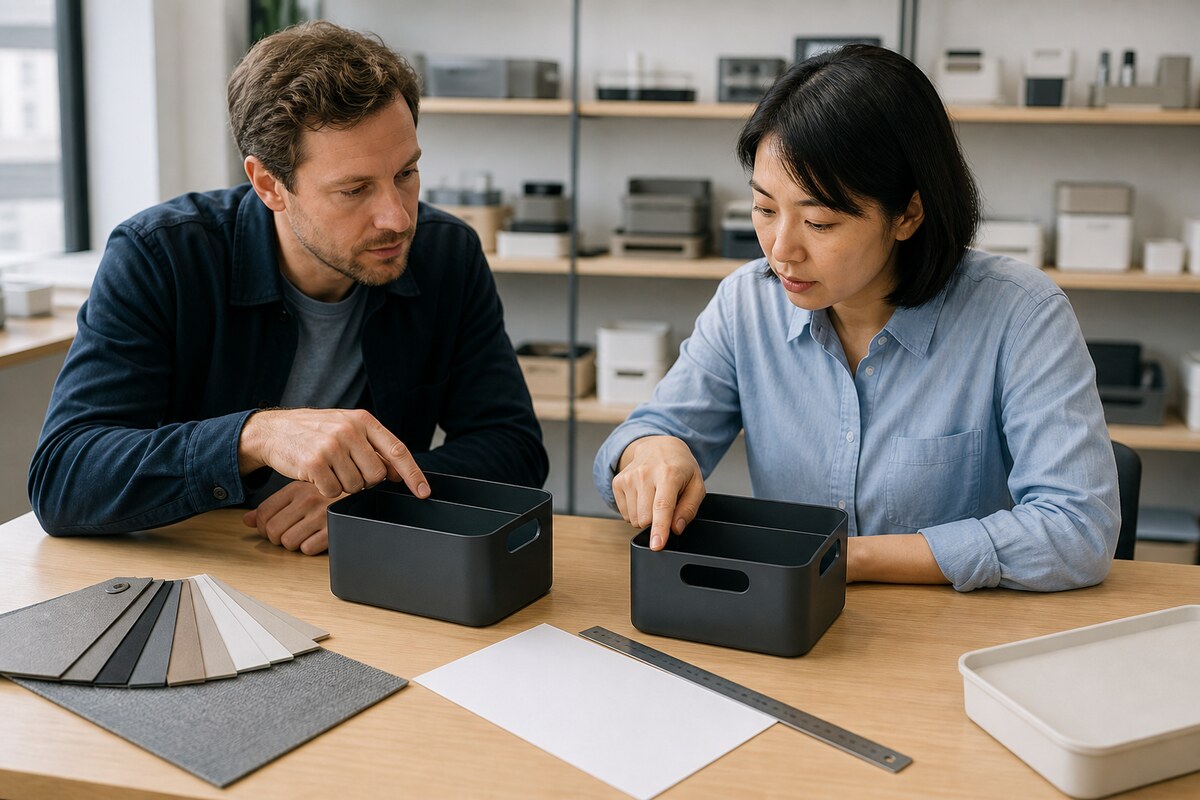
Start with a sample reference that someone else can identify: product name, selected variation, revision date, photo set or courier reference where appropriate. Note the material, color, included components and packaging context shown in the item. If two samples look alike but use different parts or finishes, keep them in separate records.
Describe what the sample is intended to represent. Is it an existing product, a first modification, a color trial, a packaging mock-up or a combined prototype? The answer changes what a buyer can reasonably review. A sample photo or video is evidence of what was shown at that time, not a final production instruction or a confirmation that every future item will match.
State what you saw, where it appears and what you want reviewed. Use physical fields such as measured size, wall thickness, material feel, color direction, surface finish, fit, assembly, included accessory, artwork position or package detail. When a measurement matters, include the unit and the points between which it was taken.
Avoid replacing a requirement with a broad judgement such as “better quality” or “make it premium”. Those phrases may be useful as a goal, but they do not tell a supplier which element should change. If the desired result is subjective, add a labelled reference image, a physical swatch or a short description of the acceptable range.
Keep three columns in your feedback: change requested by the buyer, option proposed for review and point still unknown. A supplier may suggest an alternative material, construction or packaging choice. Record it as an option until you have decided whether it meets the actual requirement; do not let a proposed solution silently replace the buyer’s request.
For each change, state what should remain unchanged. A new handle, color or label location can affect a product differently from a complete redesign. Making the fixed parts visible helps prevent an answer to one revision from unintentionally changing the selected model, variation split or packaging plan.
Use numbered photos or a simple marked-up image set. Each comment should point to one view, component or measurement location. If a close-up cannot show the full context, include both a whole-product image and the detailed image. Keep the original files and mark the review date so later comments do not get applied to a different revision.
A visual reference does not settle hidden materials, construction, tolerances or availability by itself. Add written notes for the details that cannot be seen clearly. If the image shows several colors, sizes or bundles, name the one the comment applies to rather than assuming every variation should change in the same way.
After you request a revision, state what evidence you need next: a new sample, a close-up photo, a measurement, a material reference, an assembly video or a packaging view. Specify the version and the decision it is intended to support. This keeps the next exchange focused without promising that a requested revision is feasible, priced or approved for production.
If the revised detail could affect product use, packaging, quantity, price direction, timing or compliance questions, update those parts of the sourcing brief as well. A change that appears small in a sample may matter to a later quotation or inspection plan once the exact configuration is known.
Keep the active product version, requested changes, evidence received, open questions, reviewer and decision date in one short record. Mark an item as approved only for the specific point you actually reviewed. Other fields can remain open, and a later product change should create a new revision rather than overwrite the earlier record.
Use the sourcing request form to share a product link, selected variation, sample feedback, quantity direction, target price direction and destination context. China Sourcing Team supports product projects from US$1,000, subject to scope review. A sample note or submitted brief is not a final specification, supplier confirmation, quality result or purchase order.
Use the China sourcing request form for one item, review the completed sourcing brief example, or read about the guided Chrome helper for a multi-product project. Sourcing support starts from US$1,000 and is subject to scope review.